Skip to content
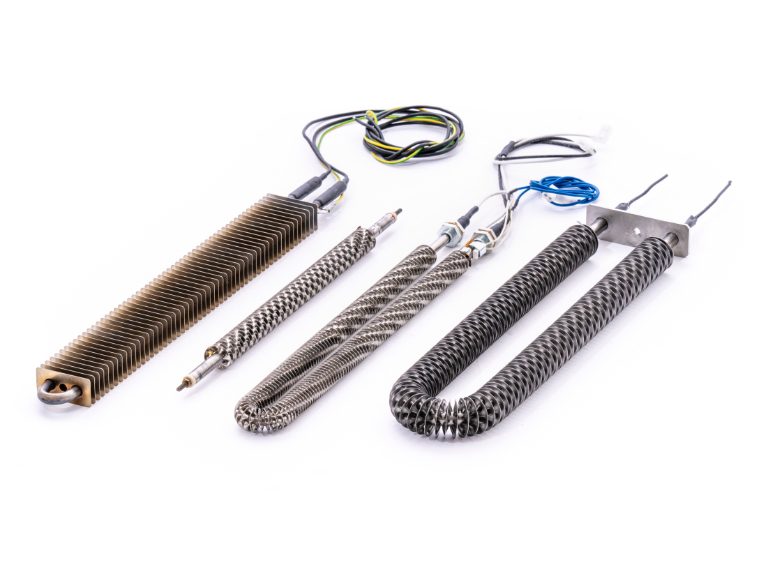
Powder Coating Electrical Heating Elements – Powder coating is a widely used finishing process that provides a durable, corrosion-resistant, and aesthetically pleasing surface. While it is commonly applied to metal parts such as automotive components, furniture, and appliances, applying powder coating to electrical heating elements presents unique challenges due to their functional requirements and exposure to high temperatures.
Role of Heating Elements in Powder Coating Ovens
Function: Electrical heating elements generate the heat necessary to cure powder coatings, typically between 160–220°C.
Importance: Uniform heating ensures consistent curing, adhesion, and surface finish of the coated parts.
Design Considerations: The number, wattage, and placement of heating elements directly affect oven performance and coating quality

Why Powder Coating Is Usually Not Suitable
1. Temperature Limitations
Most standard powder coatings cure at 160–200 °C and are designed for continuous service temperatures well below those of heating elements. When exposed to elevated temperatures:
- The coating may discolor, char, or decompose
- Mechanical adhesion can fail due to thermal expansion mismatch
- Off-gassing may occur, creating safety and contamination risks
2. Heat Transfer Interference
Powder coatings are thermally insulating compared to bare metal. Applying them to an active heating surface can:
- Reduce heat transfer efficiency
- Create localized hot spots
- Increase watt density stress, shortening element lifespan
3. Electrical and Safety Concerns
Although electrically insulating, powder coatings are not designed as primary electrical
- Insulation for heaters. Improper application can:
- Interfere with grounding strategies
- Complicate compliance with UL, CE, or IEC standards
- Introduce unknown failure modes during long-term heating cycles
Challenges of Powder Coating Heating Elements
- Heat Resistance
- Standard powder coatings may degrade when exposed to the high operating temperatures of heating elements. Specialized high-temperature powders are required.
- Electrical Insulation
- Coating must not interfere with the electrical conductivity or cause insulation breakdown.
- Adhesion Issues
- Heating elements often have smooth metallic surfaces that reduce powder adhesion. Pre-treatment (sandblasting or chemical etching) is essential.
- Thermal Expansion
- Repeated heating and cooling cycles can cause cracking or delamination of the coating if not properly formulated.
What Can Be Powder Coated Safely
In practice, powder coating is commonly and safely applied to non-heating components, including:
- Heater housings and enclosures
- Mounting brackets and frames
- Protective guards and covers
This approach preserves the benefits of powder coating without compromising heater performance or safety.

Preferred Alternatives to Powder Coating
High-Temperature Liquid Coatings
Silicone- or ceramic-based liquid coatings withstand higher temperatures and thermal cycling better than powders.
Factory-Applied Ceramic or Oxide Coatings
- Some heating elements are manufactured with:
- Plasma-sprayed ceramic layers
- Oxide-treated stainless or Incoloy sheaths
- These are engineered specifically for heater applications.
Comparison of Coating Options
| Coating Type | Max Temp Resistance | Pros | Cons |
| Epoxy Powder | ~200°C | Good adhesion, corrosion resistance | Not suitable for heating elements |
| Polyester Powder | ~220°C | UV resistance, decorative finish | Limited heat tolerance |
| Silicone-Based Powder | ~600°C | Excellent thermal stability, durable | Higher cost, specialized use |
| Ceramic Coating | >800°C | Superior heat resistance, insulation | Complex application process |
Material Selection
Using corrosion-resistant alloys or anodized aluminum housings often eliminates the need for coatings altogether.
Powder coating electrical heating elements is generally not recommended, especially on active heating surfaces. The risks to thermal performance, safety, and compliance typically outweigh the benefits. The best practice is to reserve powder coating for adjacent structural or cosmetic components, while relying on heater-specific materials and coatings for the elements themselves.
For applications where coating appears necessary, manufacturer approval, temperature-rated materials, and post-coating testing are essential.
More details call us +97450626202 or www.sanvihat.com