Skip to content
In the oil and gas sector across the Middle East and Qatar, equipment reliability isn’t just about maintaining production quotas. It is a fundamental requirement for plant safety. When you are managing high-pressure hydrocarbon streams, corrosive environments, and extreme ambient temperatures, your thermal management systems have to be flawless.
Among the most critical components in these processing environments are circulation heaters. If you are sourcing these systems, you already know that standard industrial equipment won’t cut it. You need a solution that is specifically engineered to withstand hazardous zones while keeping your operations running smoothly.
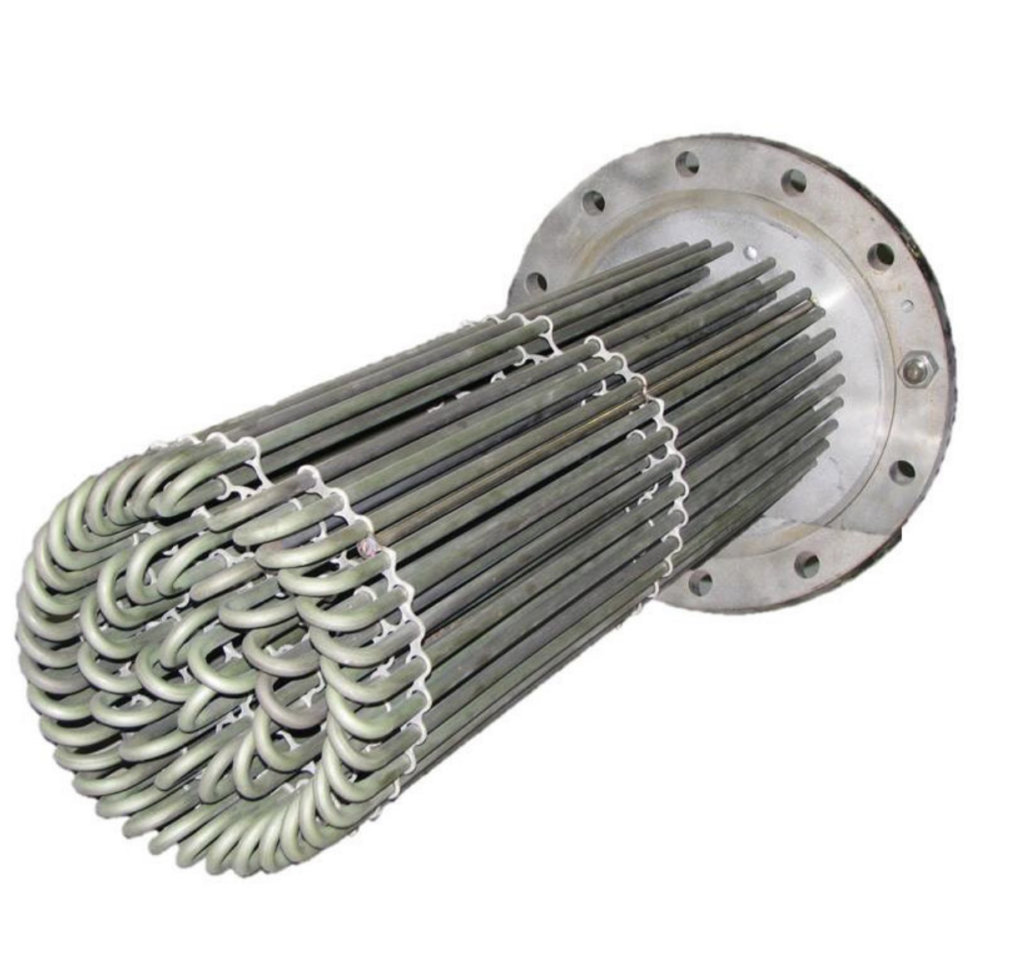
Why ATEX Certification is Non-Negotiable
Hazardous areas require strict protection concepts. ATEX certification ensures that electric heating equipment is designed and tested to prevent it from becoming an ignition source in explosive gas atmospheres.
For oil and gas plants in Qatar and the wider region, using ATEX-certified circulation heaters is standard practice for several reasons:
- Explosion Protection: Enclosures and terminal boxes are engineered to contain any internal explosion or prevent flammable gases from coming into contact with high-temperature components.
- Temperature Control: Advanced design prevents the sheath temperature of the heating elements from exceeding the ignition point of the surrounding gases.
- Regulatory Compliance: Meeting international safety standards simplifies risk assessments and fulfills local insurance and governmental safety mandates.
Tailored for the Challenges of the Middle East
Operating utility and process heaters in the Gulf region introduces specific environmental challenges that go beyond standard hazardous area classifications. A trusted thermal solution must account for these local factors:
- Extreme Ambient Heat: High summer temperatures mean that control panels and terminal enclosures must be designed with adequate cooling or ambient temperature ratings to prevent premature component failure.
- Corrosive Environments: High humidity and coastal salt spray, paired with sour gas processing (high H2S content), require premium materials. Look for heaters utilizing high-grade alloys like Incoloy or stainless steel for the heating elements and pressure vessels to prevent stress corrosion cracking.
- Sand and Dust Storms: Heavy dust ingress can ruin electrical connections. High IP-rated enclosures are essential to maintain the integrity of the wiring and terminals over years of service.
Minimizing Downtime: Fast Delivery and Support
When a circulation heater fails or an upgrade is urgently required during a turnaround, every day of delay impacts your bottom line. We understand that long lead times from distant suppliers can jeopardize your project timelines.
By optimizing the supply chain and maintaining a robust inventory of raw materials and standard components, we prioritize fast delivery to sites across Qatar and the Middle East. Our goal is to get your certified heating systems engineered, manufactured, and delivered to your facility without the typical bureaucracy and delays associated with heavy industrial equipment.
Reliability Backed by a 12-Month Warranty
A product is only as good as the manufacturer’s willingness to stand behind it. To give you complete peace of mind, all of our ATEX-certified circulation heaters come with a comprehensive 12-month warranty.
This warranty reflects our confidence in the engineering, material selection, and welding integrity of our products. From the initial thermal calculations to the final pressure testing of the vessel, every step is executed to ensure long-term operational readiness.
Partner with a Trusted Regional Supplier
Choosing a circulation heater supplier shouldn’t be a gamble. You need engineering expertise, high safety standards, and reliable logistics tailored to the Middle East oil and gas market.
If you are currently sizing a replacement heater, planning a plant expansion, or dealing with a challenging process fluid that requires precise temperature control, we can help. Contact our engineering team today to discuss your project specifications and receive a clear, direct technical proposal.
Frequently Asked Questions
What specific ATEX zones are these circulation heaters certified for?
Our circulation heaters are designed and certified for use in Zone 1 and Zone 2 hazardous areas, where explosive gas atmospheres are likely to occur during normal or abnormal operations. The terminal enclosures typically feature Ex d (flameproof) or Ex e (increased safety) protection concepts to ensure maximum safety.
How do you ensure the heaters survive high-ambient temperatures in the Middle East?
We account for the region’s extreme summer heat during the engineering phase. This includes using components rated for high ambient temperatures (often up to 55°C or higher) and designing extended or standoff terminal boxes. This physical separation keeps the electrical connections away from the hot process vessel, allowing for natural cooling.
What materials are used to prevent corrosion from sour gas (H2S)?
For sour gas and highly corrosive process fluids, we utilize premium corrosion-resistant alloys. Depending on your specific process chemistry, elements and pressure vessels can be fabricated from materials such as Incoloy 800/825, 316L Stainless Steel, or Monel to prevent pitting and stress corrosion cracking.
What is the typical lead time for a custom circulation heater? While lead times depend on the specific heating capacity, pressure rating, and material availability, our localized supply chain in the Middle East allows us to fast-track engineering and manufacturing. We prioritize rapid delivery to meet tight turnaround schedules and minimize plant downtime.