Skip to content
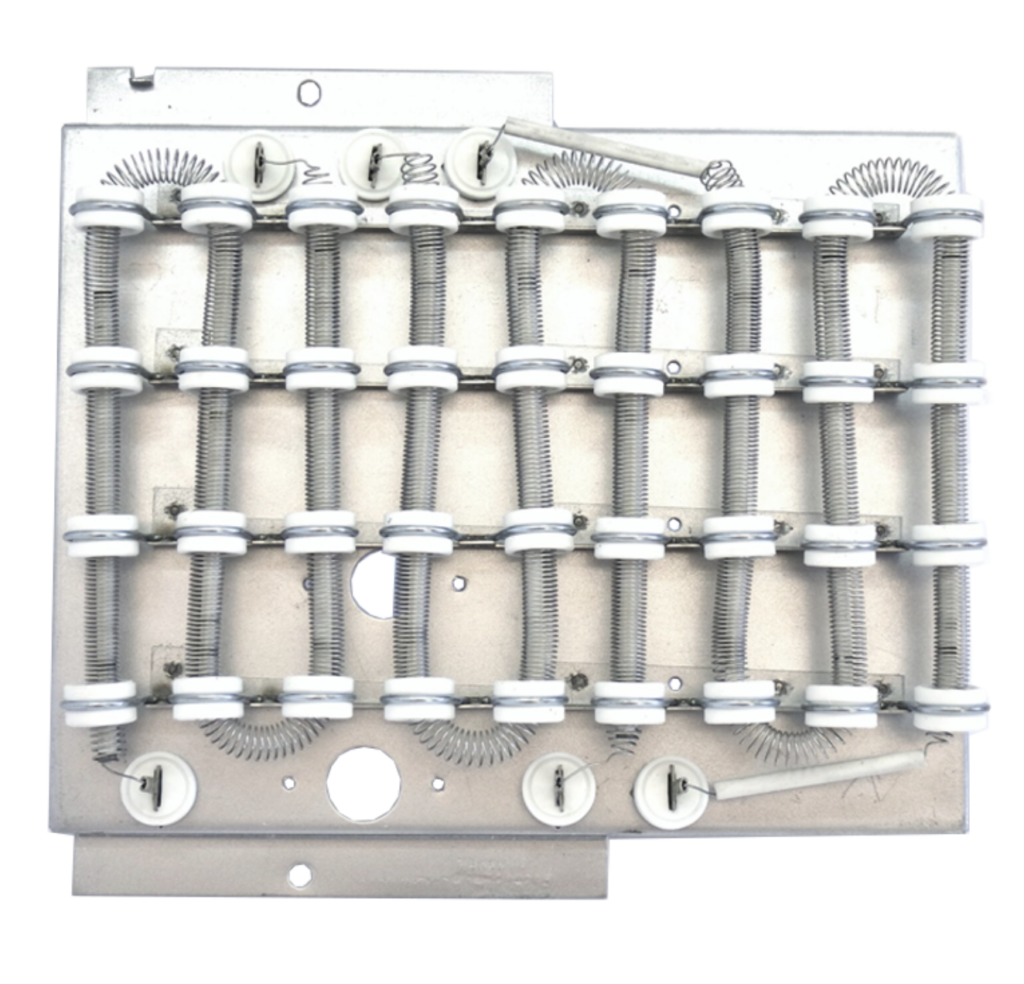
Dryer Heating Elements – In the world of industrial heating, speed and efficiency are king. When it comes to rapid heat transfer and low-pressure drops, Dryer Open Coil Heating Element are often the superior choice over sheathed or tubular alternatives. However, selecting the wrong coil can lead to premature burnout, energy waste, or even safety hazards
At Sanvi Heat, we specialize in high-performance thermal solutions. To help you optimize your system, we’ve compiled the essential factors you must consider when selecting open-coil elements for your next project.
1. Match the Wattage to Your Airflow
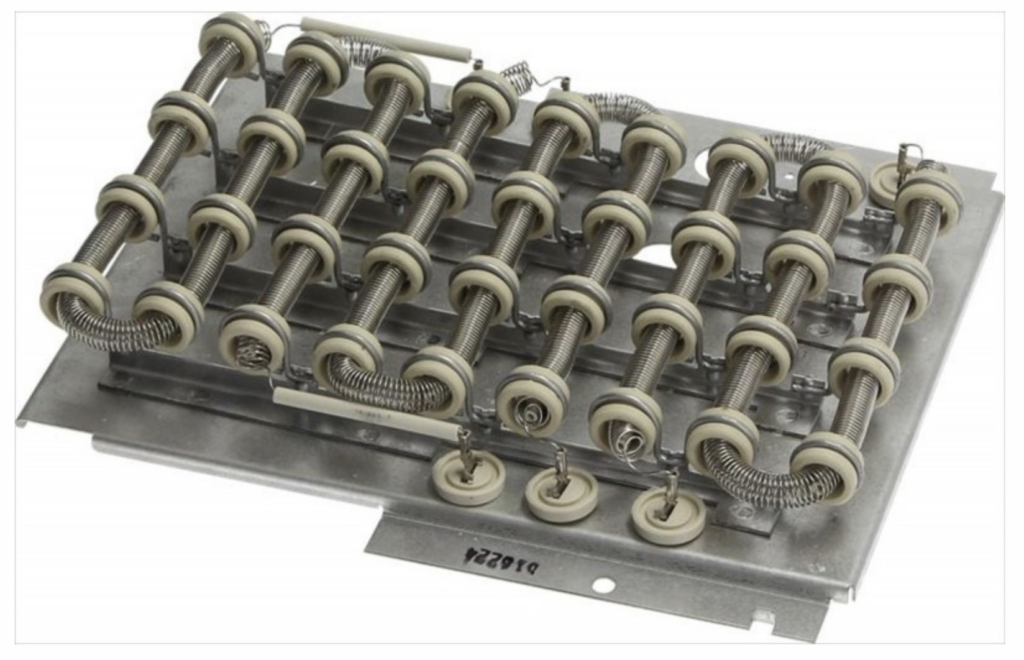
The biggest advantage of an open-coil heater is its low thermal mass—it heats up and cools down almost instantly. However, because the wire is exposed directly to the air, it relies entirely on airflow to stay cool.
- The Tip: Ensure your air velocity matches the watt density of the coil. If the airflow is too low, the element will overheat and “sag” or snap. If it’s too high, you may need a more robust support structure to prevent the coils from touching and shorting out.
2. Environmental Air Quality is Non-Negotiable
Open-coil elements are “live” and exposed. This makes them highly efficient but also vulnerable to the environment
- The Tip: Use open coils only in clean-air applications. If your environment contains moisture, metallic dust, or corrosive chemicals, these particles can settle on the coils, causing an electrical short or rapid oxidation. For harsh environments, a sheathed element from Sanvi Heat may be a safer bet.
3. Consider the Support Structure (Mica vs. Ceramic) for Dryer Heating Elements
Since the resistance wire becomes flexible when hot, it needs a backbone. High-quality open-coil heaters are typically supported by Mica or Ceramic insulators.
- Ceramic: Best for extremely high temperatures and heavy-duty industrial use.
- Mica: Excellent for applications where space is tight and lightweight insulation is required.
- The Tip: Check for “coil sag.” Ensure the support points are close enough together to prevent the wire from drooping over time, which is a leading cause of heater failure.
4. Precision Control with SCRs
Because open-coil elements react so quickly to power changes, standard “on/off” thermostats can lead to temperature fluctuations and mechanical stress on the wire.
- The Tip: Pair your open-coil elements with SCR (Silicon Controlled Rectifier) power controllers. These allow for “infinite” control over the heat output, extending the life of the element and providing the precise temperature stability required for process heating.
5. Physical Dimensions and Clearance
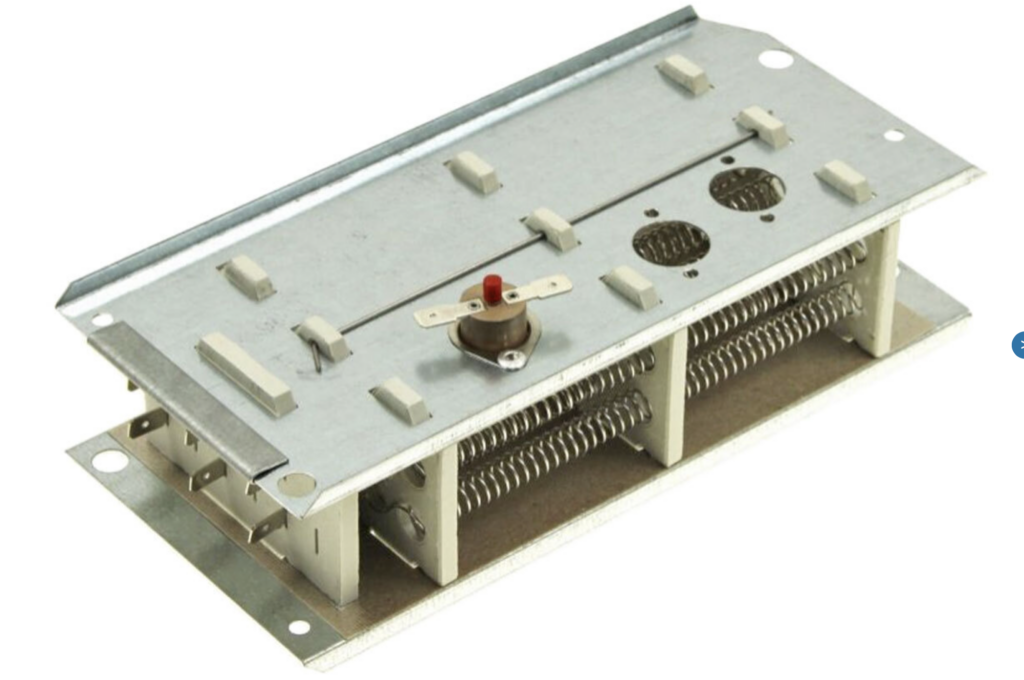
Open coils provide a very low pressure drop, making them ideal for large HVAC ducts. However, they require strict electrical clearances from the metal housing to prevent “arcing.”
- The Tip: Always verify the “stretch ratio” of the coil. A coil that is stretched too thin may have uneven heating, while one that is too compressed won’t allow enough air to pass through, leading to hot spots.
Why Choose Sanvi Heat?
Choosing the right Dryer Heating Elements isn’t just about buying a part; it’s about engineering a solution. At Sanvi Heat, we manufacture open-coil elements using premium grade-A Nickel-Chromium (NiCr) wire to ensure maximum longevity and oxidation resistance.
Whether you are retrofitting an old drying oven or designing a new industrial HVAC system, our team provides the technical expertise to ensure your heating elements are sized perfectly for your specific voltage, wattage, and airflow requirements.
Ready to upgrade your heating efficiency? Contact Sanvi Heat today for custom open-coil solutions built to last
Frequently Asked Questions | Sanvi Heat
Q1: Why is my washing machine not heating the water?
The most common cause is a burnt-out heating element. Over time, limescale buildup or electrical surges can cause the internal filament to break. Other potential culprits include a faulty thermostat (NTC sensor) or a malfunctioning pressure switch that tells the machine the water level is high enough to start heating.
Q2: How can I tell if my heating element has “blown”?
You can test a heating element using a multimeter to check for continuity. If the meter shows “infinite” resistance (no circuit), the internal wire is broken. Visually, look for signs of “pitting,” black burn marks, or a split in the metal casing.
Q3: What are the advantages of open-coil heating elements?
Open-coil elements provide faster heat-up times, lower pressure drops (ideal for airflow), and are generally more cost-effective than sheathed elements. They are perfect for applications like drying ovens, forced air heating, and heat treating where the air is clean and dry.
Q4: How long does a typical industrial heating element last?
Lifespan depends heavily on the watt density and the environment. A well-maintained element in a clean environment can last several years. However, factors like hard water (for immersion heaters) or poor airflow (for open coils) can reduce that lifespan to just a few months
Q5: Can a faulty heating element increase my electricity bill?
Yes. When an element is covered in limescale (in washing machines or water heaters), it acts as an insulator. The element has to stay on much longer to transfer heat through the scale into the water, leading to significant energy waste.
Q6: Is it safe to replace a heating element myself?
While replacing an element is a common repair, it involves working with high-voltage electricity and water seals. We always recommend that repairs be carried out by a qualified technician to ensure the unit is properly grounded and leak-tested.
Q7: Why does my heater keep tripping the circuit breaker?
This usually indicates an insulation breakdown. The magnesium oxide insulation inside the element may have absorbed moisture or the outer casing has cracked, allowing electricity to “leak” to the ground. This is a safety hazard and the element should be replaced immediately.
Email:sales@kfilterglobal.com, +974-50626202/31376262
Contact: WWW.Sanviheat.com