Skip to content

Selecting an electric heating elements is about more than just matching voltage and wattage. It is a precise engineering challenge where the wrong choice can lead to system failure, high maintenance costs, or safety risks.
At Sanvi Heat, we provide high-performance thermal solutions. Whether you are designing a new industrial process or replacing a worn-out component, here is the roadmap to selecting the best electric heating elements for your needs.

1. Identify Your Medium (What are you heating?)
The substance you are heating determines the sheath material and the construction of the element.
- Air and Gases: Typically require open-coil or finned tubular elements to maximize surface area and heat transfer.
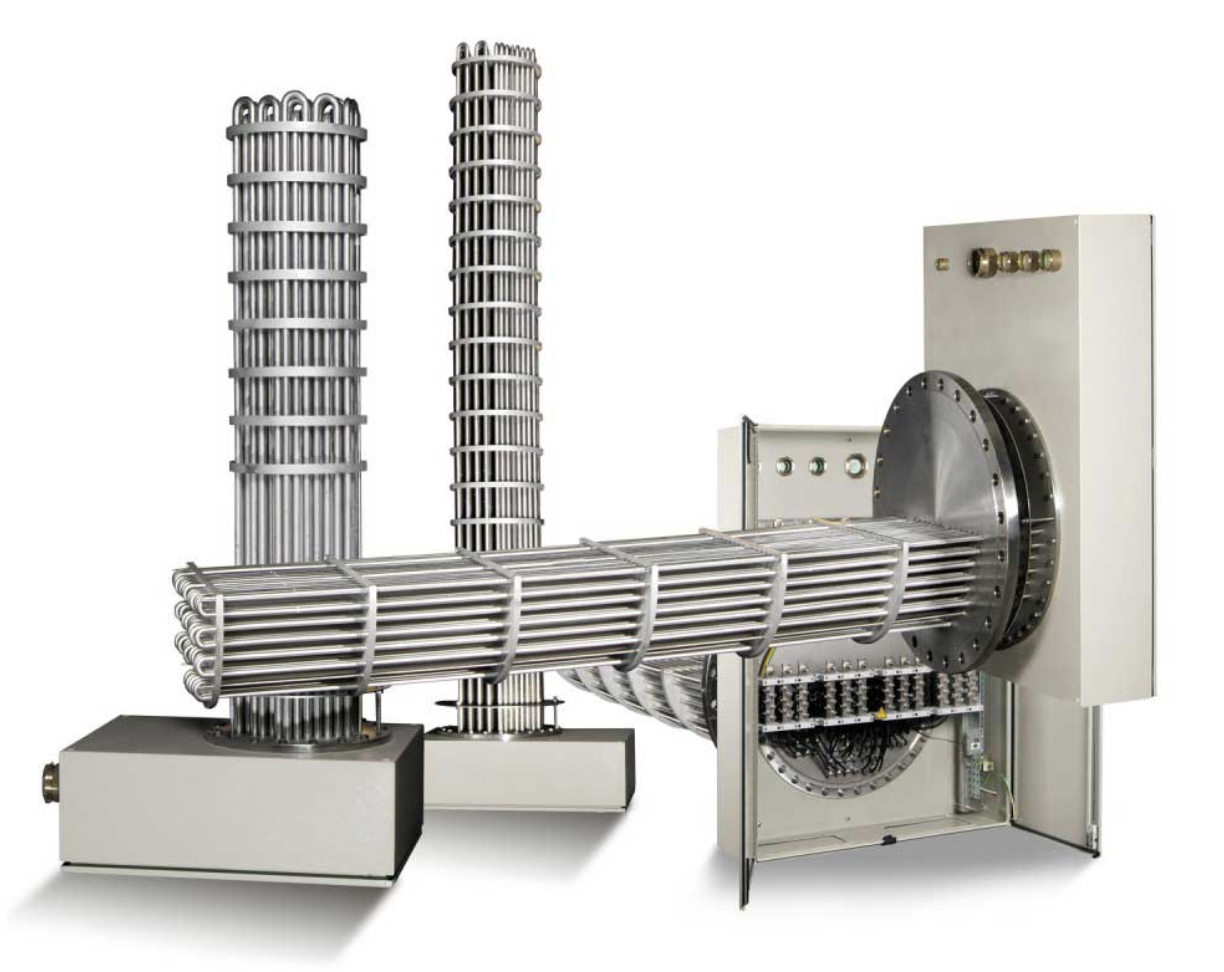
- Liquids (Water, Oil, Chemicals): Require immersion heaters. The “aggressiveness” of the liquid dictates the material—stainless steel for water, or specialized alloys like Incoloy for corrosive chemicals.
- Solids: Often require cartridge heaters or band heaters that use conduction to transfer heat directly into a metal surface
2. Determine the Required Watt Density
Watt Density is the amount of power (watts) per square inch of the element’s heated surface area. This is perhaps the most critical factor for the longevity of the element.
- High Watt Density: Useful for rapid heating in small spaces (e.g., cartridge heaters), but runs the risk of overheating if the medium cannot dissipate the heat fast enough.
- Low Watt Density: Essential for viscous liquids like heavy oils or sensitive chemicals to prevent “charring” or carbonization on the element surface.
3. Choose the Right Sheath Material
The outer “skin” of your Electric Heating Elements must withstand the operating environment. At Sanvi Heat, we recommend:
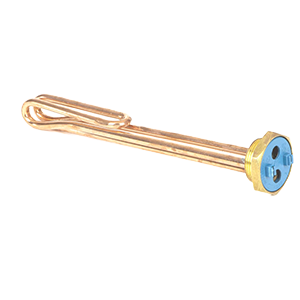
- Copper: Best for clean water and high-efficiency heat transfer.
- Stainless Steel (304, 316): The industry standard for food-grade applications and general-purpose heating.
- Incoloy/Inconel: Designed for extreme temperatures and highly corrosive environments where standard steel would fail.
4. Factor in Temperature and Control
What is your target temperature, and how quickly must you reach it?
- The Element vs. The Medium: Remember that the element itself will always be significantly hotter than the medium it is heating. You must select a material that can withstand the internal temperature of the wire, not just the target temperature of your tank or oven.
- Sensor Integration: For precision, consider elements with integrated thermocouples or NTC sensors to prevent “overshoot” and ensure energy efficiency.
5. Physical Constraints and Mounting
Finally, consider the geometry of your space.
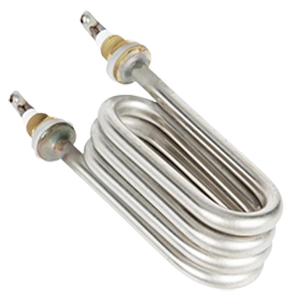
- Form Factor: Do you need a flexible tubular heater that can be bent into a specific shape, or a rigid screw-plug immersion heater for a tank?
- Terminals: Ensure the electrical terminations (leads) are suited for your environment—moisture-resistant, high-temperature, or explosion-proof.
Why Partner with Sanvi Heat?
At Sanvi Heat, we don’t just sell parts; we provide thermal expertise. Our Electric Heating Elements are manufactured using premium grade-A minerals and high-resistance alloys to ensure that your processes stay running at peak performance.
Selecting the right element saves you money in the long run by reducing downtime and lowering energy consumption.
Looking for a custom heating solution? Contact the experts at Sanvi Heat today for a consultation tailored to your specific industrial needs.
Oil and Gas heater
https://www.facebook.com/sanviheat