Skip to content
The Science of the Toaster: Engineering the Perfect Crunch
Toaster – At Sanvi Heat, we spend our days designing industrial heating elements for factories and laboratories. However, one of the most elegant applications of heating science sits right on your kitchen counter: The Toaster.
To understand how a toaster works is to understand the fundamental laws of thermodynamics. Let’s break down the physics of how electricity becomes a delicious breakfast.
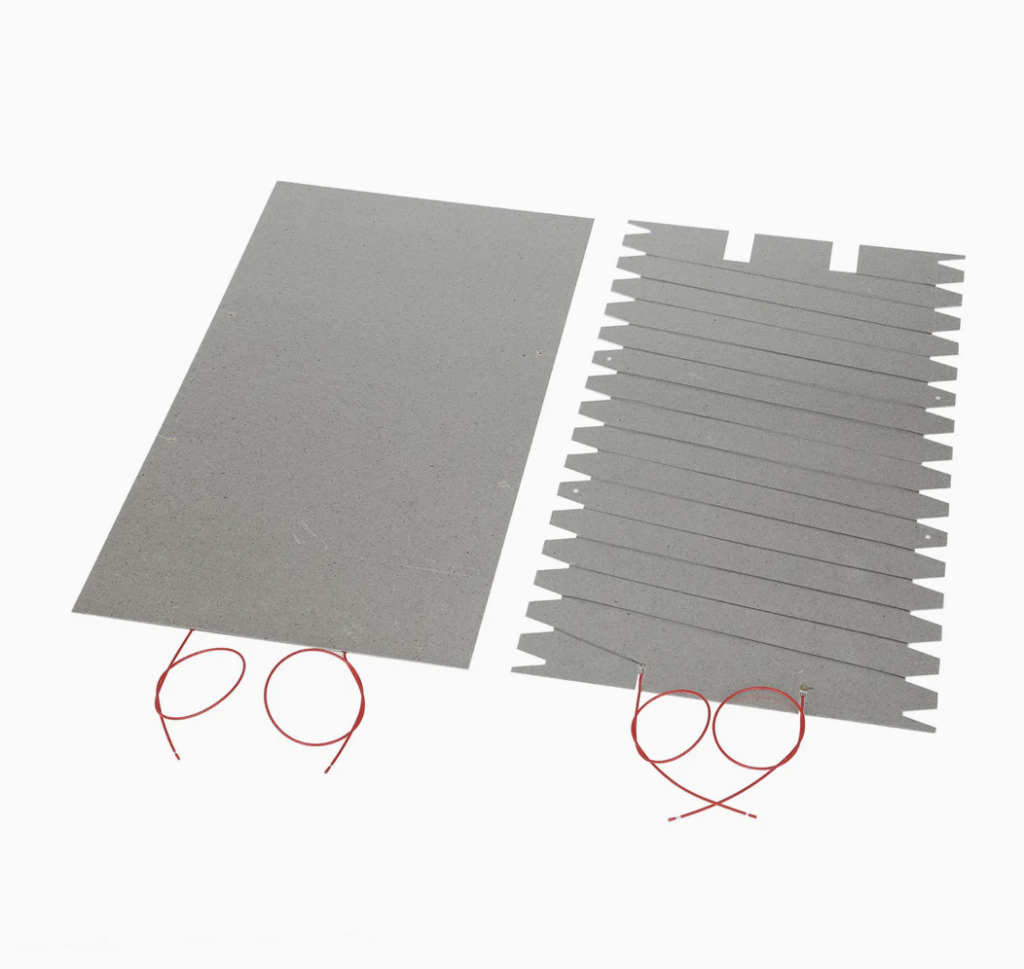
Sanviheat Toaster

1. Joule Heating: Turning Electrons into Heat
The heart of every toaster is the heating element. Most toasters use thin ribbons of Nichrome wire (an alloy of nickel and chrome).
When you push the lever down, you complete an electrical circuit. As electrons flow through the Nichrome wire, they encounter “resistance.” In physics, this is known as Joule Heating (or Ohmic heating). Because the wire resists the flow of electricity, that kinetic energy is converted into thermal energy.
Why Nichrome?
- High Resistance: It stays hot even with relatively low current.
- Oxidation Resistance: Unlike many metals, Nichrome doesn’t burn through or “rust” when exposed to high heat and oxygen.
2. Infrared Radiation: Heat Without Contact
Unlike a frying pan, which uses conduction (touching the food), a toaster primarily uses Infrared Radiation.
As the Nichrome ribbons glow red-hot, they emit infrared waves. These waves travel through the air and are absorbed by the surface of the bread. This energy causes the molecules in the bread to vibrate rapidly, generating heat. This is why the outside of your toast gets crispy while the inside stays relatively soft.
3. The Maillard Reaction: The Chemistry of Flavor
The transformation from “bread” to “toast” isn’t just about heat; it’s a chemical reaction. Once the surface of the bread reaches approximately 140°C to 165°C, a process called the Maillard Reaction begins.
- What happens: The amino acids (proteins) and reducing sugars in the bread react together.
- The Result: This creates hundreds of different flavor compounds and the characteristic brown color.
- Sanvi Heat Fact: If the temperature rises too fast, you skip the Maillard reaction and go straight to Pyrolysis—which is a fancy scientific word for “charring” or burning your toast into carbon
4. The Bimetallic Strip: The “Timer”
Have you ever wondered how the toaster knows when to “pop”? In many classic toasters, this is controlled by a Bimetallic Strip.
This strip consists of two different metals bonded together. Because different metals expand at different rates when heated, the strip begins to curve as the toaster warms up. Once it reaches a certain degree of curvature, it trips a switch that cuts the power and releases the spring-loaded tray.

Frequently Asked Questions (FAQ)
Q: Why does my toaster smell like burning plastic the first time I use it?
A: This is often the “burn-off” of residual oils used during the manufacturing of the heating elements. In industrial heating, we call this “commissioning.” It is harmless but should be done in a well-ventilated area.
Q: Can I use a toaster to heat other things?
A: Toasters are designed specifically for the moisture content of bread. Items with high sugar or fat content (like pastries with icing) can melt onto the Nichrome wires, causing “hot spots” that can lead to element failure or fires.
Q: Why is my toast uneven?
A: This usually happens because of a “broken” ribbon in the heating element or accumulated crumbs. Crumbs can block the infrared radiation from reaching the bread, leading to white spots or uneven browning.
Why Heating Science Matters
Whether it’s a simple toaster or a high-capacity Sanvi Heat Mica Band Heater for a plastic extruder, the principles remain the same: precise resistance, durable alloys, and efficient energy transfer.
Are you looking for industrial-grade heating solutions that apply these same scientific principles on a larger scale?
Email:sales@kfilterglobal.com, +974-50626202/31376262
Contact: WWW.Sanviheat.com