Skip to content
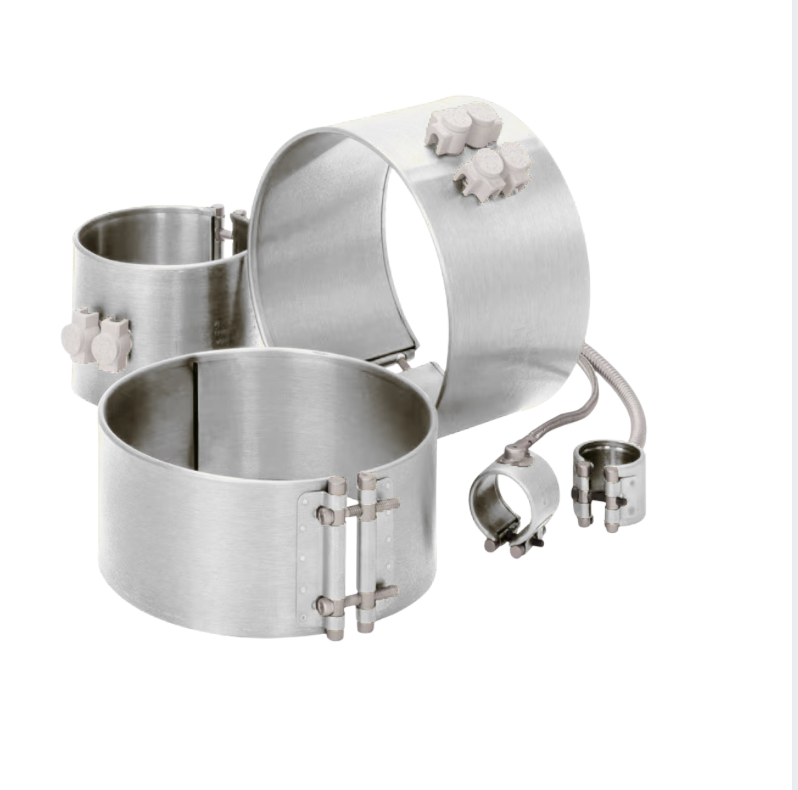
Maximizing Industrial Performance: The Sanvi Heat Guide to Mica Band Heaters
In the world of plastics processing, packaging, and food production, the Mica Band Heaters is a silent workhorse. At Sanvi Heat, we know that a heater is only as good as its installation and maintenance. To help you achieve maximum efficiency and long-term cost savings, we have compiled this essential guide to understanding and caring for your mica heating elements.
Why Mica? The Engineering Advantage
Mica is a naturally occurring mineral prized for its high dielectric strength and excellent thermal conductivity. When used in band heaters, it allows for a thin, low-profile design that heats up rapidly and distributes thermal energy evenly across cylindrical surfaces.
Key Benefits of Sanvi Heat Mica Band Heaters:
- Fast Heat-Up: Reduced downtime during machine startup.
- Uniform Distribution: Prevents “cold spots” that can ruin product quality.
- Cost-Effective: Exceptional performance-to-price ratio compared to ceramic alternatives.
- Customizable: Tailored to fit exact diameters, wattages, and terminal styles.
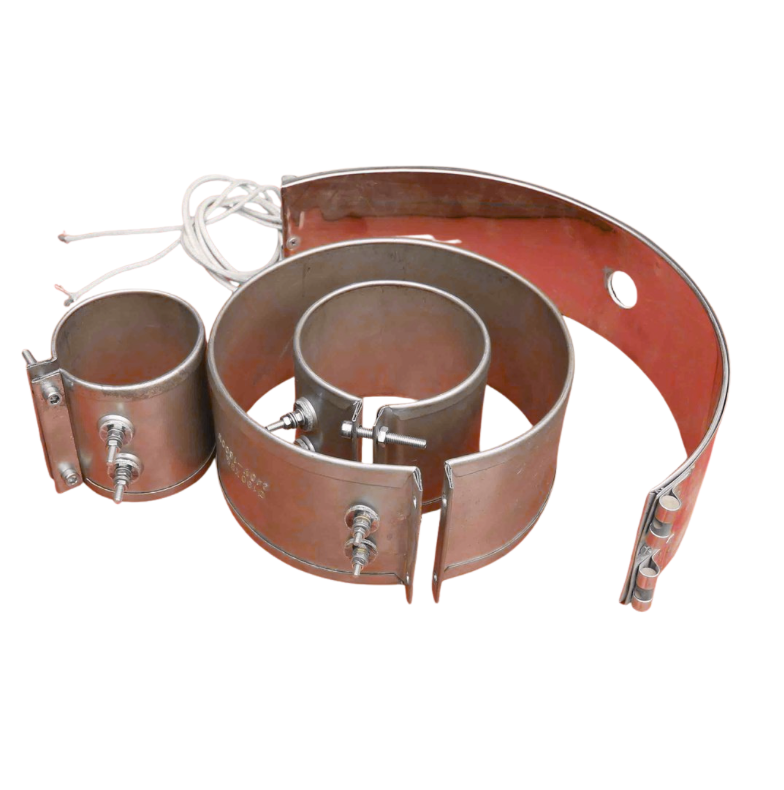
5 Pro-Tips for Longevity and Efficiency
1. The “Snug Fit” Rule
The most common cause of heater failure is air gaps. If a band heater is loose, it cannot transfer heat to the barrel via conduction. Instead, it tries to heat via radiation, causing the internal element to overheat and burn out.
Sanvi Heat Tip: Always clean the barrel surface of any plastic residue or rust before installation to ensure 100% surface contact.
2. The Two-Stage Tightening Process
Mica heaters expand when heated. To maintain a perfect fit:
- Install the heater and tighten it snugly.
- Power the heater until it reaches roughly 150°C (300°F).
- Turn off the power and perform a final tightening while the heater is hot. This compensates for thermal expansion and eliminates gaps.
3. Avoid Over-Wattage
Using a heater with a higher watt density than necessary doesn’t just waste energy; it shortens the heater’s life. Excessive heat causes the internal nichrome wire to oxidize and eventually snap. Ensure your heater’s wattage is matched precisely to your process requirements.
4. Protect Against Contamination
Mica is porous. If hydraulic oil, plastic resins, or moisture seep into the layers of mica, it can cause an electrical short (arcing).
- Solution: Use lead wire protection (like braided metal or armor) if your environment is prone to spills.
5. Proper Terminal Care
Loose electrical connections create resistance, which generates localized heat at the terminal. This can melt the wires or damage the heater’s post. Periodically check that all nuts and screws on the terminals are tight.
Comparison of Industrial Band Heaters
| Feature | Mica Band Heaters | Ceramic Band Heaters | Mineral Insulated (MI) |
| Max Temperature | ~480°C (900°F) | ~760°C (1400°F) | ~760°C+ (1400°F+) |
| Heat Transfer | Conduction (Requires tight contact) | Radiation (More forgiving of gaps) | High Conduction (Compressed MgO) |
| Heat-Up Speed | Very Fast | Slower (Holds heat longer) | Fast / Extreme Watt Density |
| Customization | High (Any shape, holes, slots) | Low (Limited by ceramic tiles) | Moderate |
| Cost | Most Economical | Mid-to-High | Premium |
| Best Used For | Nozzles, Barrels, Extruders | High-temp resins, Large barrels | High-speed production, Metals |
Frequently Asked Questions (FAQ)
Q: What is the maximum operating temperature for a mica band heater?
A: Sanvi Heat mica band heaters are generally designed for sheath temperatures up to 480°C (900°F). If your process requires higher temperatures, we recommend exploring our ceramic band heater options.
Q: Can I use a larger diameter heater on a smaller barrel by tightening it more?
A: No. A heater must match the barrel diameter exactly. Attempting to “force” a fit can crack the brittle mica insulation inside, leading to immediate electrical failure.
Q: Why does my heater show signs of discoloration?
A: Discoloration (usually a dark blue or black tint on the stainless steel sheath) often indicates a “hot spot” caused by poor contact with the barrel. Re-check your clamping tightness immediately.
Q: How do I choose between a one-piece and a two-piece band?
A: One-piece bands are standard for most applications. Two-piece bands are ideal for larger diameters or when the heater must be installed without sliding it over the end of the barrel (e.g., when obstructions are present).
Q: How should I store spare heaters?
A: Always store mica heaters in a dry, climate-controlled environment. Because mica can absorb moisture from the air, storing them in damp areas can cause them to short-circuit upon first use.
Ready to upgrade your heating efficiency?
[Contact Sanvi Heat today] for custom-engineered mica band heaters designed for your specific industrial needs.
Email:sales@kfilterglobal.com, +974-50626202/31376262
Contact: WWW.Sanviheat.com