Skip to content
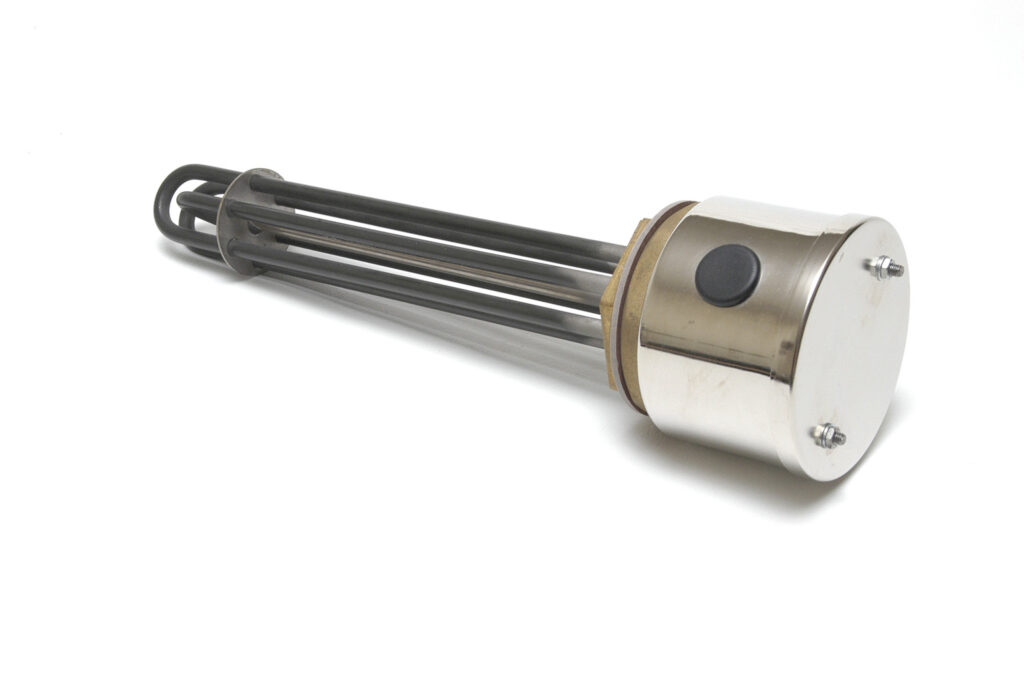
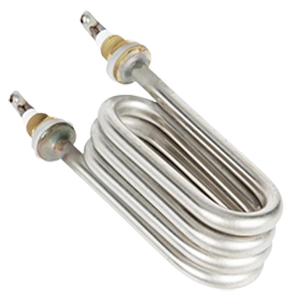
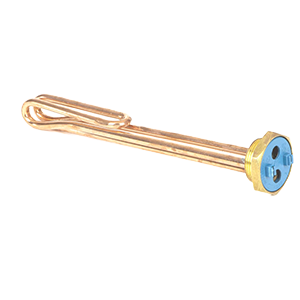
When you are dealing with compact fluid storage or small-scale process vessels, fitting a massive heating system usually is not an option. This is exactly where Immersion Screw Plug Heater shine. The physical footprint is minimal because the elements run straight into the vessel through a standard pipe coupling or tank wall.
For an engineer designing these small tanks or process loops, looking past the standard product data sheets reveals a few critical, long-term operational advantages that Sanvi Heat prioritizes.

High-Density Heat for Small Spaces
Small vessels need to heat liquid or gas quickly without sacrificing valuable space. Because the hairpin elements are brazed or welded directly to the threaded plug, the heat transfer is 100% direct immersion. You get near-instantaneous thermal response compared to external jacket heaters.
The structural rigidity also holds up over time. Heavy-duty termination posts and solid jumper straps keep the electrical connections tight under thermal cycling, avoiding the loose terminations that cause localized resistance and premature wire burnout.
Continuous Duty Thermal Stability
Some process fluids are highly sensitive to temperature fluctuations. If a heater has to cycle on and off constantly to manage its own internal thermal limits, the fluid closest to the stagnant layer can degrade, separate, or drop out of solution.
Screw plug configurations are inherently designed for continuous-duty operation. They deliver a steady, uninterrupted thermal flow to keep fluid temperatures uniform. When paired with an integrated thermostat or a control panel sensor, you can establish a tight, predictable thermal equilibrium without shocking the medium.
Operational Economics and Efficiency
Direct immersion means virtually zero ambient standby heat loss from the elements themselves; all energy consumed goes directly into the process fluid. For facilities running continuous wash tanks, oil loops, or frost prevention systems, this direct transfer keeps utility costs low.
Installation is also straightforward. You do not need complex mounting brackets or heavy external plumbing lines. You simply thread the unit into an NPT port, wire it to your terminal box, and the system is ready to run.
Long-Term Galvanic Risks
While screw plug heaters are highly reliable, packing multiple metals into a small, wet environment presents an engineering challenge. When a stainless steel or copper plug is threaded directly into a standard carbon steel tank wall, it creates a small galvanic cell. Over time, the thread interface can become a prime target for crevice corrosion.
To mitigate this, regular preventative maintenance is necessary. Checking thread seals and inspecting the element sheath for scale buildup prevents localized hot spots, ensuring the hardware matches the lifespan of the broader system loop.
https://www.facebook.com/sanviheat
_______________________________________________________________________________________
Frequently Asked Questions (FAQ)
1. Why should I choose a screw plug heater over a flanged immersion heater for small tanks?
Space and installation cost are the driving factors. Flanged heaters require matching companion flanges welded onto the tank wall, which takes up a large surface area and adds significant installation weight. Screw plug heaters thread directly into a standard NPT half-coupling welded onto the tank. This makes them ideal for compact vessels, mobile skid systems, or piping loops where space is limited.
2. How does direct immersion heating improve energy efficiency compared to external band or jacket heaters?
External band or jacket heaters must transfer heat through the container wall and an air gap, leading to significant ambient thermal losses and a slow response time. Screw plug immersion heaters place the heating elements in direct physical contact with the fluid. This configuration provides nearly 100% thermal efficiency because all generated heat is dissipated directly into the process medium, drastically reducing energy consumption and heating cycle times.
3. What causes loose terminations on screw plug elements, and how do I prevent them?
Loose terminations are usually caused by thermal cycling. As the heater powers on and off, the repetitive expansion and contraction of the metals can slowly back off the terminal nuts. A loose connection increases electrical resistance at that specific point, generating extreme localized heat that can melt the termination post or lead to an electrical short. Using heavy-duty termination posts with lock washers and solid copper or nickel jumper straps helps maintain constant torque under thermal stress.
4. How do I prevent galvanic corrosion when threading a stainless steel screw plug into a carbon steel tank?
When you thread two dissimilar metals together in a wet environment, you inadvertently create a small galvanic cell where the less noble metal (the carbon steel tank wall) will corrode. To prevent this, you can install a sacrificial anode elsewhere in the tank to draw the corrosion away from the thread interface. Additionally, using a high-quality, high-temperature thread sealant or Teflon tape acts as a physical and electrical barrier between the mating threads.
5. What is the risk of continuous-duty operation on sensitive process fluids?
Continuous-duty operation is actually safer for sensitive fluids than rapid on-off cycling, provided the watt density is calculated correctly. A steady, lower-temperature thermal flow maintains a uniform temperature gradient throughout the tank. Rapid cycling often requires a higher sheath temperature to hit the thermal setpoint quickly, which can cause localized overheating, fluid scorching, or chemical separation in sensitive fluids during the peak power burst.
6. How often should a screw plug heater be removed for scale inspection?
The inspection interval depends entirely on your water hardness or fluid purity. In hard water applications, scale can build up on the sheaths within a few months, forming an insulating blanket that traps heat inside the element and causes premature burnout. For unconditioned water loops, inspect the elements every three to six months. If you notice a heavy mineral crust or carbon build-up (coking) from oil, you need to either clean the elements more frequently or reduce the system’s watt density.
_______________________________________________________________________________________