Skip to content


For industrial coaters, metal fabricators, and manufacturers across Middle East , energy consumption and line throughput are two of the biggest factors shaping profitability. Traditional powder coating curing cycles typically operate between 180°C and 200°C, which demands substantial electrical load, longer heat-up times, and extended cooling periods before parts can be handled or packaged.
By adopting low-temperature powder coating ovens—engineered to cure modern low-bake powder formulations at 130°C to 160°C—facilities in Doha, Mesaieed, and Ras Laffan can cut operating costs, expand the range of substrates they coat, and accelerate production cycles without sacrificing finish durability.
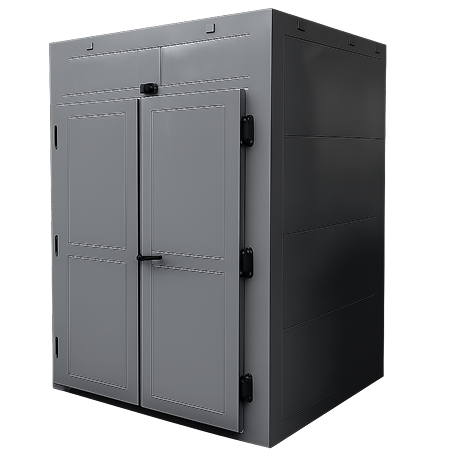
At Sanvi Heat, we design, manufacture, supply, and maintain industrial electrical powder coating ovensand high-performance electrical heating elements built for reliable thermal efficiency across Qatar’s industrial sector.
1. Lower Energy Consumption and Reduced Peak Power Demand
Heating a batch or conveyor oven to 200°C—and holding it there through continuous production shifts—requires significant electrical power. Dropping the target curing temperature by 30°C to 50°C immediately improves thermal economics:
- Faster Heat-Up Times: Reaching 140°C–160°C takes considerably less time at startup and after batch door openings, reducing idle power draw.
- Lower Heat Loss Through Enclosure Walls: A smaller temperature differential between the oven interior and Qatar’s ambient workshop environment means less conductive and radiative heat loss.
- Reduced Load on Electrical Heating Elements: Lower sustained operating temperatures reduce thermal stress on tubular and finned heating elements, helping extend service life and lowering replacement frequency.
2. Faster Line Speeds and Higher Daily Throughput
Industrial efficiency is not only measured in kilowatt-hours saved—it is measured in finished parts per shift. Low-temperature curing shortens the thermal cycle at both ends of the process:
- Quicker Part Metal Temperature (PMT) Stabilization: Heavy steel sections and thick-walled aluminum extrusions reach curing temperature faster when the target threshold is lower.
- Shorter Cool-Down Windows: Parts exiting at 140°C–150°C cool to safe handling and packaging temperatures much faster than parts baked at 200°C, eliminating bottlenecks at the unloading station.
- Higher Conveyor Throughput: Continuous powder coating lines can often maintain faster line speeds while still meeting the powder manufacturer’s required time-at-temperature cure window.
3. Expanded Capability for Heat-Sensitive Substrates
Conventional high-bake ovens limit what workshops can coat. High temperatures can warp thin-gauge sheet metal, weaken heat-treated alloys, or damage pre-assembled components containing non-metallic parts.
Low-temperature electrical powder coating ovens open new commercial opportunities for fabricators in Qatar by enabling safe curing on:
- Thin-Gauge Aluminum & Galvanized Steel prone to thermal distortion or outgassing.
- Pre-Assembled Components with bearings, seals, gaskets, or electronic housings.
- MDF, Engineered Wood, and Composite Panels used in commercial interiors and architectural fit-outs.
4. Why Precision Electric Heating Matters More at Lower Temperatures
Operating at lower curing temperatures leaves a narrower margin for error. If an oven suffers from cold spots, sluggish air circulation, or inaccurate temperature sensors, parts may emerge under-cured—leading to poor adhesion, chalking, or premature coating failure.
To make low-temperature curing reliable, an industrial oven needs:
- Balanced High-Volume Air Circulation: Uniform convective airflow ensures every rack level and complex part geometry reaches the exact cure temperature simultaneously.
- Responsive Electrical Heating Elements: High-grade tubular and finned tubular heating elements paired with PID temperature control and solid-state relays deliver tight temperature stability without overshoot.
- Well-Sealed, Insulated Chambers: High-density thermal insulation and tight door gaskets prevent drafts that could pull chamber temperatures below the minimum cure threshold.
Upgrading or Maintaining Your Powder Coating Oven in Qatar
Transitioning to low-temperature powder coating-or optimizing an existing electrical curing oven for better thermal uniformity-starts with properly matched heating hardware and routine preventive maintenance.
Sanvi Heat supports industrial facilities across Qatar with:
- Custom & Standard Industrial Electrical Powder Coating Ovens engineered for batch and conveyor operations.
- High-Quality Electrical Heating Elements (tubular, finned tubular, duct, open coil, cartridge, band, and immersion heaters) matched to exact wattage, voltage, and sheath specifications.
- Preventive & Corrective Oven Maintenance in Qatar, including element testing, airflow balancing,thermocouple calibration, and control panel inspection.
Frequently Asked Questions (FAQ)
What temperature do low-temperature powder coating ovens run at?
Most low-temperature powder coatings cure between 130°C and 160°C, compared to 180°C–200°C for standard polyester and epoxy-polyester powders. Always follow the specific curing schedule recommended by your powder supplier.
Can an existing electric powder coating oven be used for low-temperature curing?
In many cases, yes—provided the oven has accurate PID temperature controls, reliable thermocouples, and uniform airflow so there are no cold zones below the powder’s minimum curing temperature.
How do electrical heating elements perform in low-temperature ovens?
Running at lower chamber temperatures reduces thermal fatigue on heating elements, often extending their operational lifespan—especially when airflow across the elements remains clean and unobstructed.
Ready to Improve Your Curing Line Efficiency?
Whether you are investing in a new industrial electrical powder coating oven in Qatar, upgrading heating elements for tighter temperature control, or scheduling preventive oven maintenance, contact Sanvi Heat to discuss your production requirements and technical specifications.