Skip to content
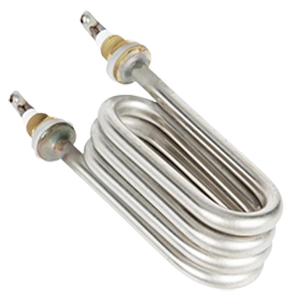
Tubular Heater Element- Industrial type heating, the difference between a seamless production line and an expensive shutdown often comes down to a single component: the tubular heater element. While these metal-sheathed tubes might look similar from the outside, the internal engineering determines whether your system will thrive or fail under pressure.
Selecting the “right” element isn’t just about finding a part that fits; it’s about matching metallurgy, watt density, and insulation to your specific environment.
1.Material Compatibility: Preventing Corrosion
One of the most common causes of heater failure is sheath corrosion. A tubular heater element used to heat plain water will fail rapidly if placed in an acidic chemical bath or high-sulfur oil.
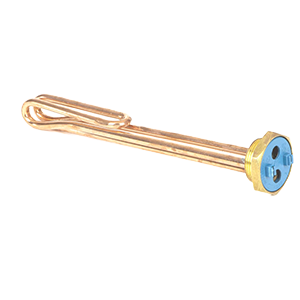
- Copper Sheaths: Best for clean water and domestic heating.
- Stainless Steel (304/316): Ideal for food processing, mildly corrosive liquids, and air heating.
- Incoloy: Necessary for high-temperature applications and aggressive chemical environments.
- Teflon Coating: Used when heating highly corrosive acids where even steel would fail.
2. Watt Density and Lifespan
- Watt density—the amount of heat output per square inch of the element’s surface—is the most misunderstood factor in heater selection.
- Too High: If the watt density is too high for the medium (e.g., heating thick oil with a high-wattage water heater), the medium will carbonize on the sheath, causing the element to overheat and burn out.
- Optimized: Selecting the correct watt density ensures that heat is dissipated efficiently, protecting both the Ni Cr 80/20 resistance wire and the substance being heated.
3. Mechanical Stability & Insulation Quality
High-performance elements, like m Sanvi Heat, utilize compacted Magnesium Oxide (MgO). The quality of this insulation is vital for two reasons:
- Dielectric Strength: It prevents the electricity from jumping to the outer sheath (short-circuiting).
- Heat Transfer: High-purity MgO conducts heat rapidly from the internal wire to the outer tube, ensuring the element doesn’t “choke” on its own thermal energy.
Key Characteristics tubular heaters
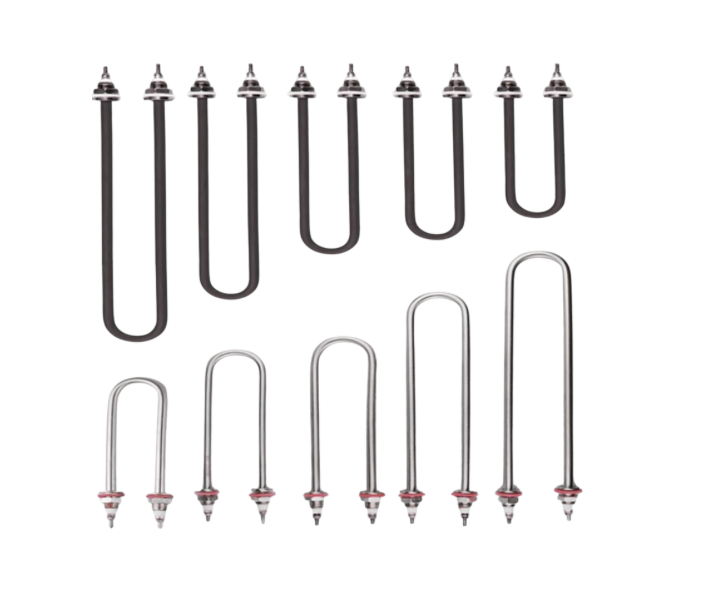
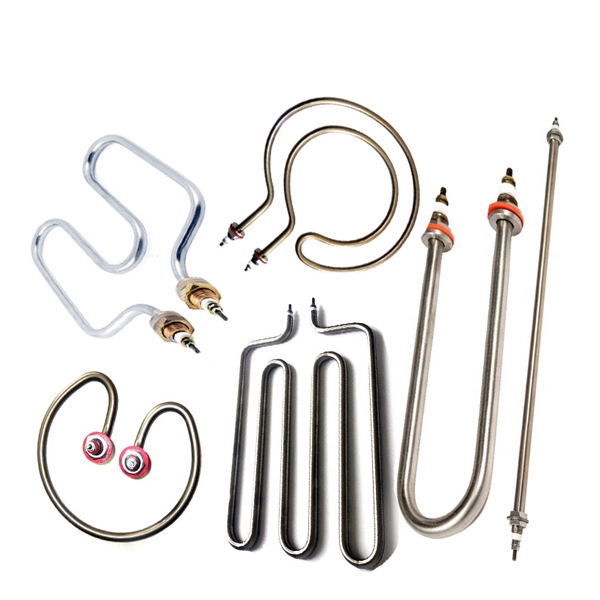
Custom Formability: One of the greatest advantages of tubular heaters is their flexibility. They can be factory-formed into “U” shapes, coils, or complex geometric patterns to wrap around pipes or fit into tight tank corners.
High Temperature Tolerance: Because of the MgO insulation and robust sheath materials, these heaters can operate at very high temperatures without losing mechanical stability.
Precision Control: Most tubular heaters are paired with a thermostat or a thermocouple. This allows for precise temperature management, ensuring the medium (water, oil, or gas) stays at the exact level required for the process.
Durability: They are built to withstand mechanical vibration and atmospheric pressure, making them suitable for both open-air and vacuum environments.
The Consequences of the Wrong Selection
| Outcome | Impact on Business |
| Premature Failure | Frequent downtime and increased maintenance costs. |
| Energy Inefficiency | Higher utility bills due to poor heat transfer. |
| Product Contamination | Charred fluids or metal flakes entering the process. |
| Safety Hazards | Risk of electrical shorts or fires in volatile environments. |
- Does the shape of the element affect performance?
Absolutely. Tubular elements can be formed into “U” shapes, coils, or complex bends. Proper forming ensures that heat is distributed evenly across the tank or chamber, avoiding “cold spots” that can ruin industrial batches.
2. How do I know which connection mode to choose?
Selection depends on your power supply and environment. We offer a wide range of terminal pins, leads, and moisture-resistant seals. For humid or outdoor environments, a hermetic seal is essential to prevent moisture from entering the MgO insulation.
3. Can I use a standard heater for a vacuum atmosphere?
No. Vacuum atmospheres require specialized degassing and high-purity materials to prevent “outgassing,” which can contaminate the vacuum and damage the element.
Email:sales@kfilterglobal.com, +974-50626202/31376262
Contact: WWW.Sanviheat.com