Skip to content
A water heater’s cylinder unit can’t get the water hot enough without a heater element. The water inside a water heater is heated by a metal rod called an element. The surrounding water is warmed by applying heat to the metal rod with electricity. Most heating elements are constructed from metal or ceramic. When comparing
Water heater elements
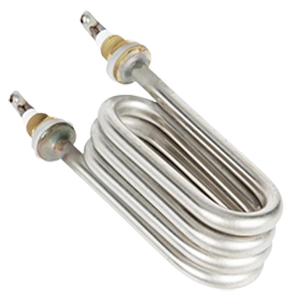
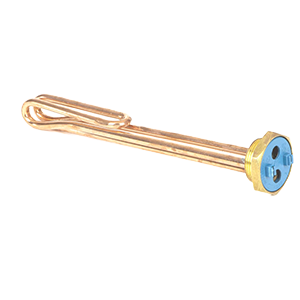
Water heater elements are the core heating components inside electric geysers and boilers, typically rated between 1,000–3,000 watts, available in copper or stainless steel sheaths, and designed to match specific tank sizes and voltages (120V or 240V). Choosing the right element ensures efficient heating, safety, and long service life
Key Details About Water Heater Elements
Technical Specifications
- Wattage Range: Commonly 1,000W – 3,000W depending on tank size and heating speed.
- Voltage Options: 120V or 240V models; must match your electrical supply.
- Sheath Material:
- Copper: Affordable, good conductor, but prone to corrosion.
- Stainless Steel/Nickel-Plated: More durable, corrosion-resistant, ideal for hard water.
- Thread Size & Probe Length: Must match your geyser’s tank fitting to avoid leaks.
- Thermostat Integration: Many elements include thermostat compatibility for temperature control.
Applications
- Domestic Geysers: Instant and storage water heaters in households.
- Commercial Kitchens: Hot water supply for cleaning and cooking.
- Laboratories & Brewing: Consistent heating in controlled environments.