Skip to content

Every refrigeration system faces a hidden enemy: humidity. When moist air enters a cold storage room or Freezer defrost heater, it hits the cold evaporator coil and instantly freezes. Over time, that frost creates an insulating layer. If you leave it alone, airflow chokes, heat transfer drops, and your compressor ends up working twice as hard just to keep up.
That is where the defrost system comes in. It is not just an extra feature; it is a critical maintenance cycle designed to keep the system running efficiently.
Here is exactly how the process unfolds and the primary engineering methods used to handle it.
The Anatomy of a Defrost Cycle
While the exact trigger can vary, a typical automatic defrost cycle follows a precise sequence to melt ice safely without ruining the ambient climate of the space.
1. The Pump-Down Option
Pre-defrost phase
Before any heat is applied, the liquid solenoid valve closes. The compressor continues running briefly to pull the remaining refrigerant out of the evaporator coil. This prevents the refrigerant from absorbing the defrost heat, which would otherwise cause massive pressure spikes.
2. Isolating the System
Fans off
The compressor and evaporator fans shut down. Turning off the fans is crucial; you want to melt the ice on the coil, not blow hot air throughout the cold room or freezer.
Applying Heat
Melting phase
The chosen heat source activates. The metal of the coil warms up past 0°C, breaking the bond between the ice and the fins. The ice melts and runs down into a drain pan.
Termination and Drip Time
Reset phase
A temperature sensor or a strict time limit shuts off the heat source. The system then pauses for a few minutes of “drip time” to let any remaining water drain away completely, ensuring it does not instantly refreeze when the cooling starts back up.
Three Core Methods: Pros and Cons
Engineers balance system size, ambient design, and energy costs when choosing a defrost style.
1. Electric Resistance Defrost
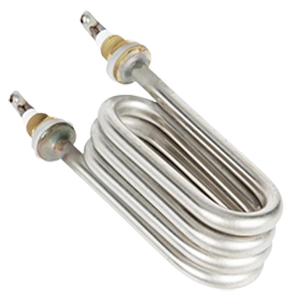
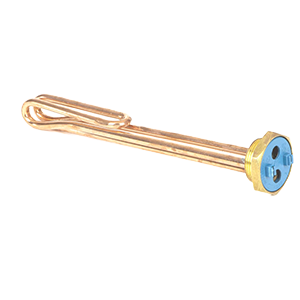
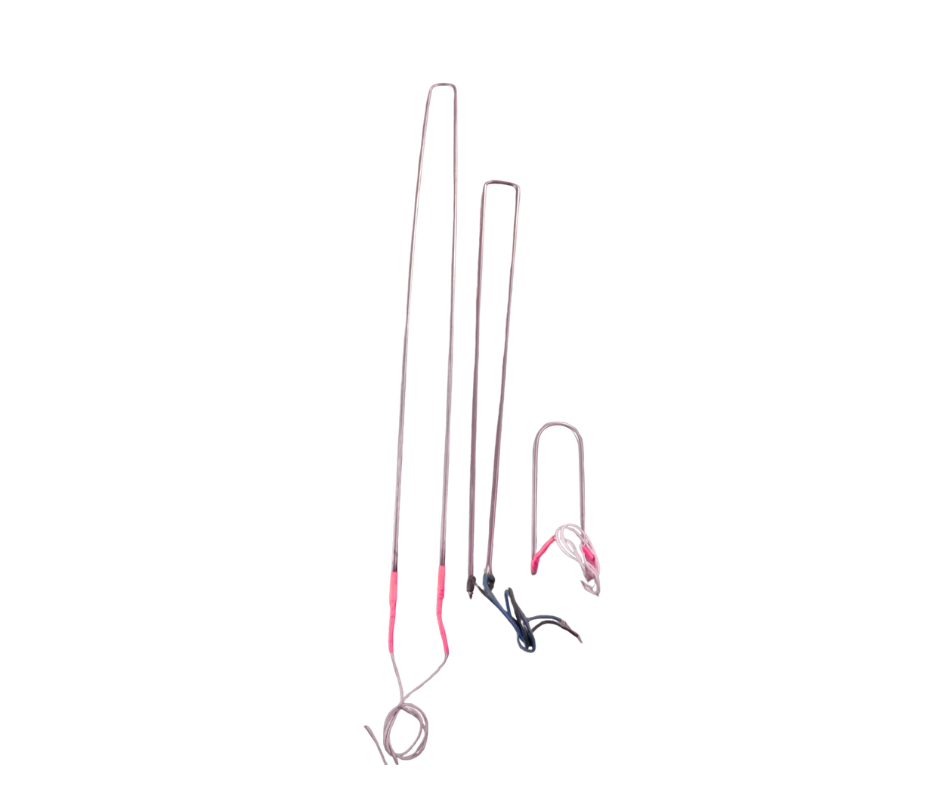
This is the most common approach for commercial setups. Electric heating elements are physically embedded right into or alongside the evaporator coil.
- The Benefit: It is highly reliable, easy to control with simple timers and thermostats, and relatively cheap to install.
- The Trade-off: Running high-wattage electric heaters consumes a lot of power. It also introduces a direct, high-temperature heat source into a cold space.
2. Hot Gas Defrost
Instead of generating new heat, this method redirects the hot, high-pressure refrigerant gas straight from the compressor discharge back into the evaporator, bypassing the expansion valve.
- The Benefit: It is incredibly energy-efficient because you are recycling the system’s own thermal energy. It also works from the inside out, meaning it melts the ice much faster than electric elements.
- The Trade-off: The piping and valving are complex and expensive to engineer. You also have to carefully manage liquid slugging—ensuring that the gas condensing inside the evaporator does not liquid-lock or damage the compressor when it returns.
3. Off-Cycle Defrost
The simplest approach available, used exclusively in medium-temperature rooms (spaces kept above freezing, usually around 2°C to 4°C). The compressor simply shuts off, but the evaporator fans keep running.
- The Benefit: Zero added energy costs. The ambient air of the room itself melts the frost.
- The Trade-off: It takes a long time and cannot be used in actual freezers or low-temperature applications.
How Systems Decide to Defrost
Historically, systems relied on Time-Temperature Control. Every six or eight hours, a mechanical timer would start a cycle, and a thermostat on the coil would end it once the temperature reached around 5°C.
Modern, higher-end systems use Adaptive Defrost Control. These look at real-world variables like compressor run times, coil temperature trends, and even how often doors are opened. If a facility has low usage on a dry day, the system skips unnecessary cycles, saving significant wear and tear on components.
Refrigerator Defrost heters
Freezer defrost heater
Industrial air cooler defrost heater
Refrigerator display defrost heater
Evaporator defrost heater
Freezer Container defrost heater
Freezer van defrost heater
Commerical air cooler defrost heater
Dry coolers defrost heater
Condensers and gas coolers defrost heater
Air cooler model 250 w
280W defrost heater
300 W defrost heater
335w defrost heater
375w defrost heater
395 w defrost heater
415 w defrost heater
475 w defrost heater
500w defrost heater
900w defrost heater
1200w defrost heater
1000w defrost heater
1400w defrost heater
1600w defrost heater
1700w defrost heater
2200w defrost heater
Gunter Defrost heater
DEFROST KIT GACC 020 AY7.004791, GACC 020 AY7.004786, DEFROST KIT GACC 020 AY7.004792, DEFROST KIT GACC 020 AY7.004793, DEFROST KIT GACC 031 BG351035-00001, DEFROST KIT GACC 031 BG351035-00002, DEFROST KIT GACC 031 BG351035-00025, DEFROST KIT GACC 031 BG351035-00006, DEFROST KIT GACC 031 BG351035-00007, DEFROST KIT GACC 031 BG351035-00026, DEFROST KIT GACC 031 BG351035-00009, DEFROST KIT GACC 040 BG351035-00011, DEFROST KIT GACC 031 BG351035-00027, DEFROST KIT GACC 020 AY7.004785,